
From Tiruvannamalai to Japan: An Indian Nurse Aide's Real Journey

Tiruvannamalai to Japan
Watch Her Real Journey From Tiruvannamalai to Japan
Hear Soundarya share her own experience of learning Japanese, adapting to life in Japan and building her career journey.
Who I Am and Where It All Began
My journey began in Tiruvannamalai, Tamil Nadu, where I completed my GNM — General Nursing and Midwifery. That qualification was the foundation of everything that came after. Nursing was not just a subject I studied — it became the path that eventually led me to Japan.
Throughout this journey, my father has been one of my biggest sources of strength. He was supportive from the very beginning, and he regularly called me and encouraged me, even from far away. That support meant a lot, especially during the harder moments.
“Nursing was never just a subject I studied in Tiruvannamalai. It became the path that carried me all the way to Japan — and it was my father's voice on the phone, steady from thousands of miles away, that carried me through the harder moments of it.”
Why I Chose Japan
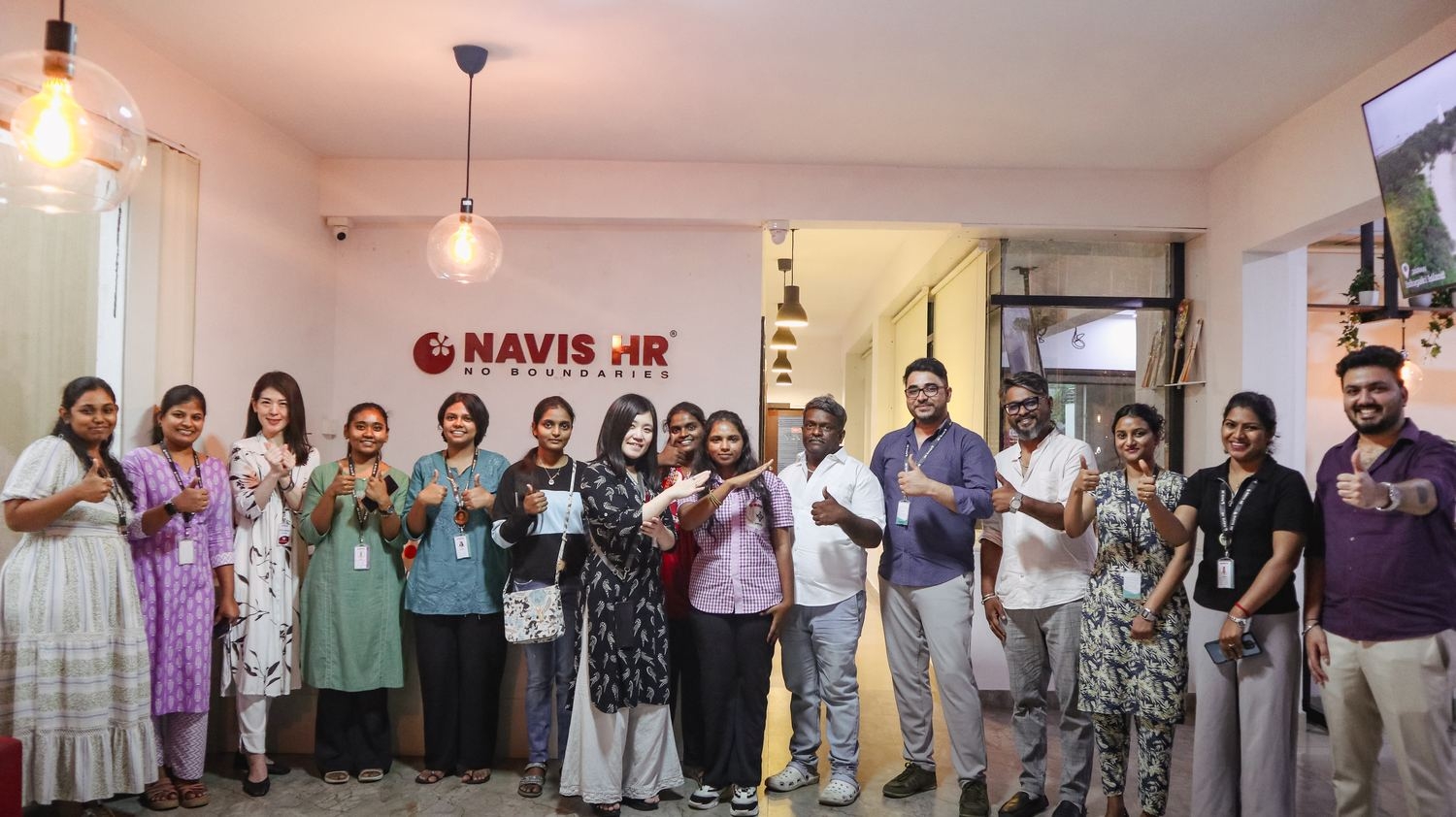
After I completed my studies, I started researching opportunities connected to Japan. It was not a decision I made overnight. I looked into what a nurse aide role in Japan could look like, made inquiries, and slowly began to consider it seriously as a real career opportunity — not just an idea.
This is also where NAVIS HR came in. They walked me through the actual documentation my application needed, verified it, and prepared me for what the process would genuinely involve — not a shortened version of it.
Once I had gathered enough information and felt confident about it, I decided to move forward with pursuing this path.
What Were My Initial Thoughts About Japan?

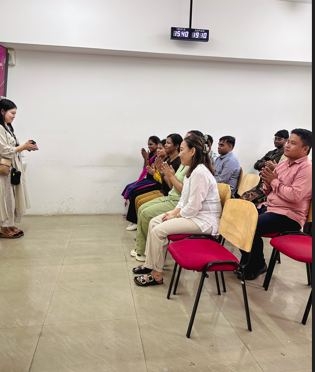
Before I even arrived, I had a lot of curiosity about Japan. One of my earliest thoughts was simply wanting to try local Japanese food — something that felt exciting and new. I also had a list of places I wanted to visit, including Osaka Castle and the Tokyo Tower. Those places represented, in a way, everything unfamiliar and interesting about the country I was about to call home.
My Biggest Challenge
If I am honest, the biggest challenge was the Japanese language and understanding Japanese culture. These were not small hurdles — they shaped almost every part of my early experience in Japan. Communicating, understanding social norms, and simply getting through daily life required a level of adjustment I had not fully expected.
Learning Japanese
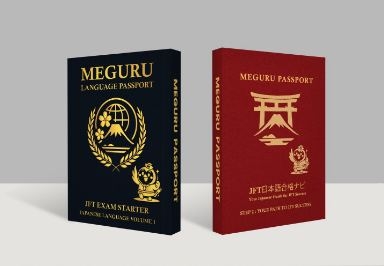
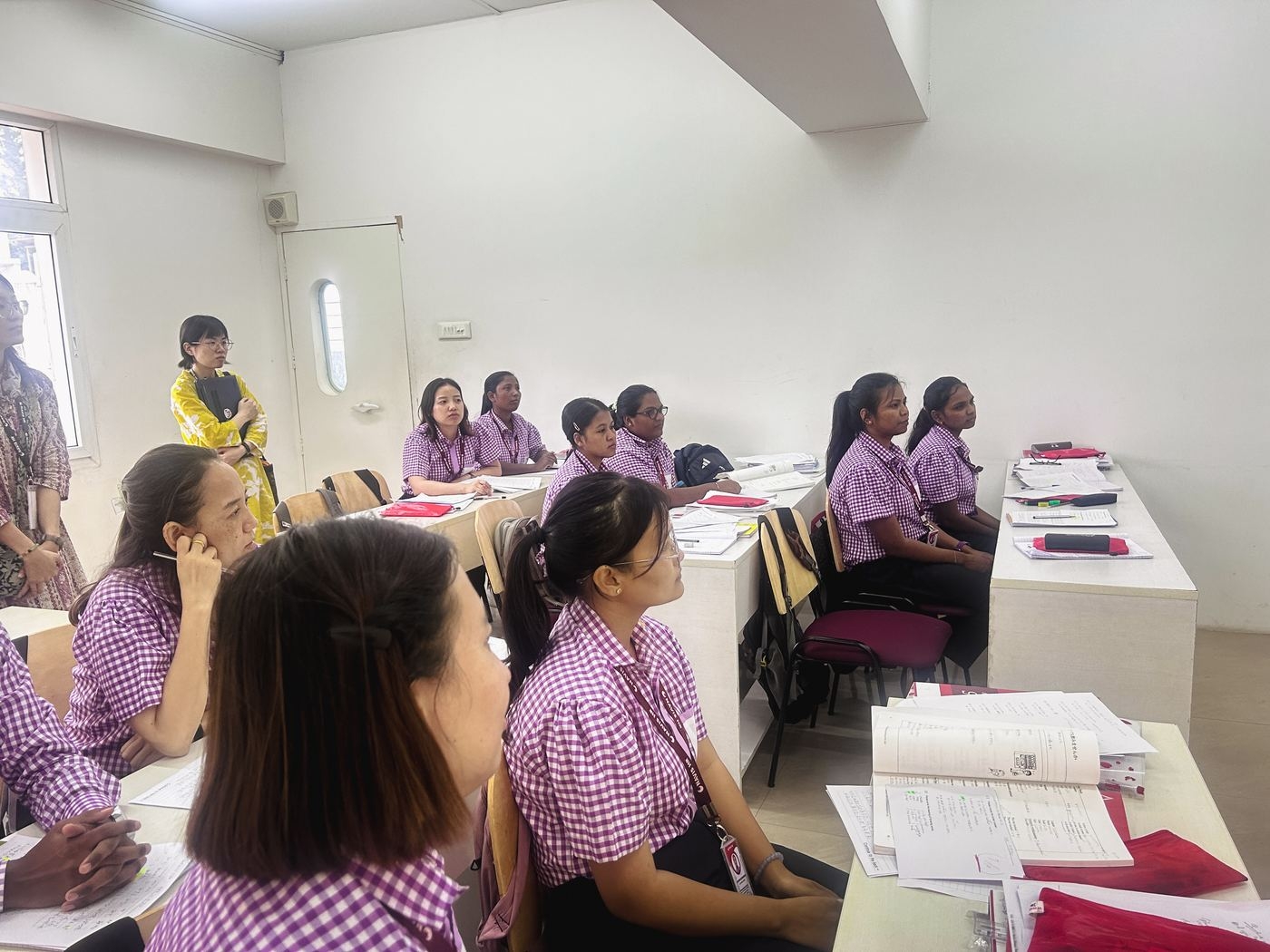
Learning Japanese did not happen through one method alone, and it did not happen without structure either — I built on what I studied through a proper Japanese language course before I ever touched an app. The structured classes NAVIS HR arranged gave me a base I could actually build on, instead of starting from nothing.
Beyond the tools, what really mattered was practice and patience. Learning a new language is not something that happens quickly, and I had to remind myself of that often.
- ChatGPT — to help me understand words, phrases, and context
- Translation tools — for everyday communication
- Voice commands — to practise pronunciation and listening
Why Did I Stop Being Afraid of Making Mistakes?
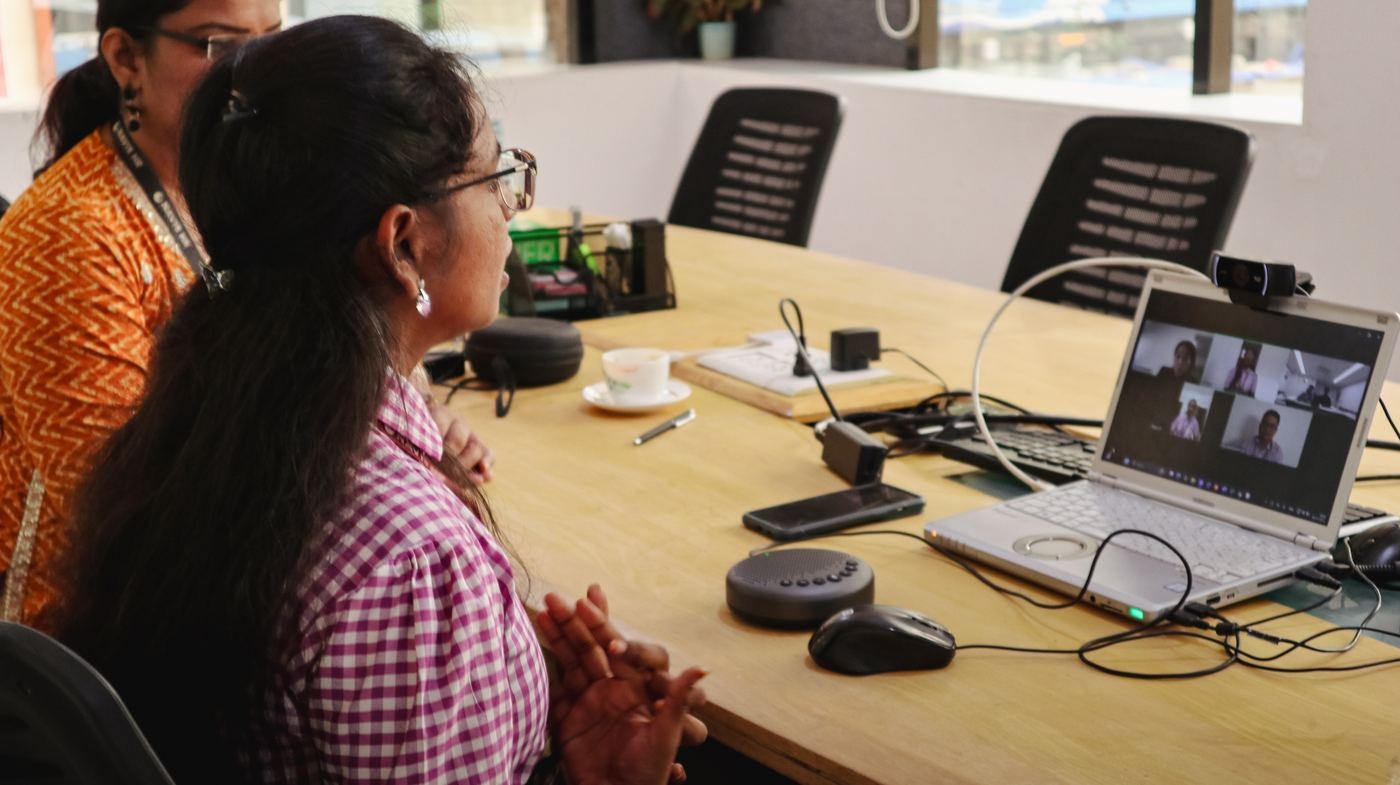
Early on, I realised that fear of making mistakes was not going to help me. I believe people should not be afraid of making mistakes — because those very failures can become learning experiences. Every time I got something wrong, whether it was a word, a phrase, or a small cultural misstep, I tried to treat it as information rather than failure. That mindset shift made a real difference in how I approached learning Japanese.
“Failures are not the end of the road — they are simply part of learning. That belief carried me through some of the hardest parts of adjusting to life in Japan.”
Adjusting to Life in Japan
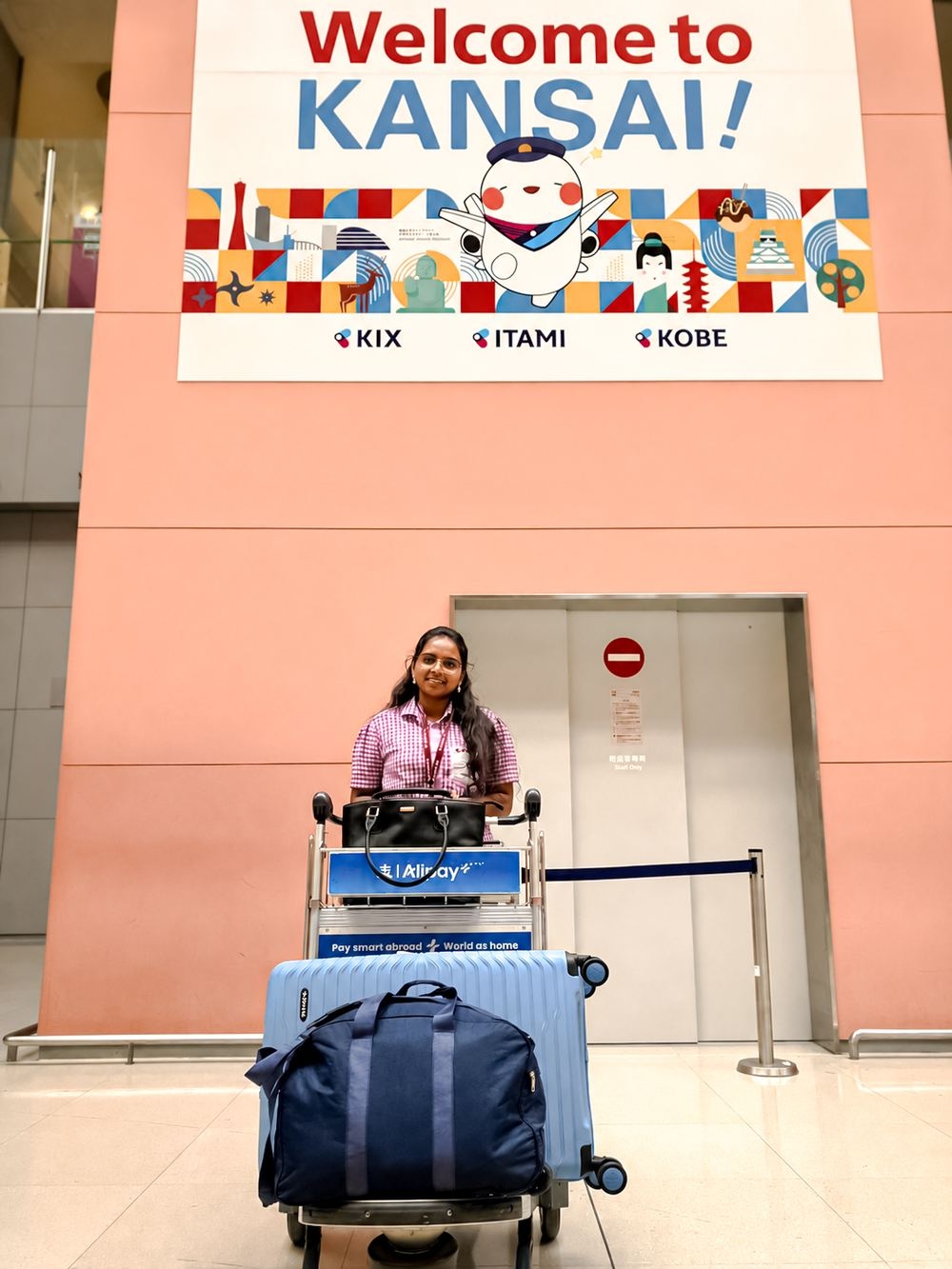
Living in Japan has been an experience of gradual adaptation. The climate, surprisingly, felt pleasant and somewhat similar to Bangalore's climate, which made settling in a little easier than I expected. I also experienced snow in Japan for the first time — something that was completely new to me.
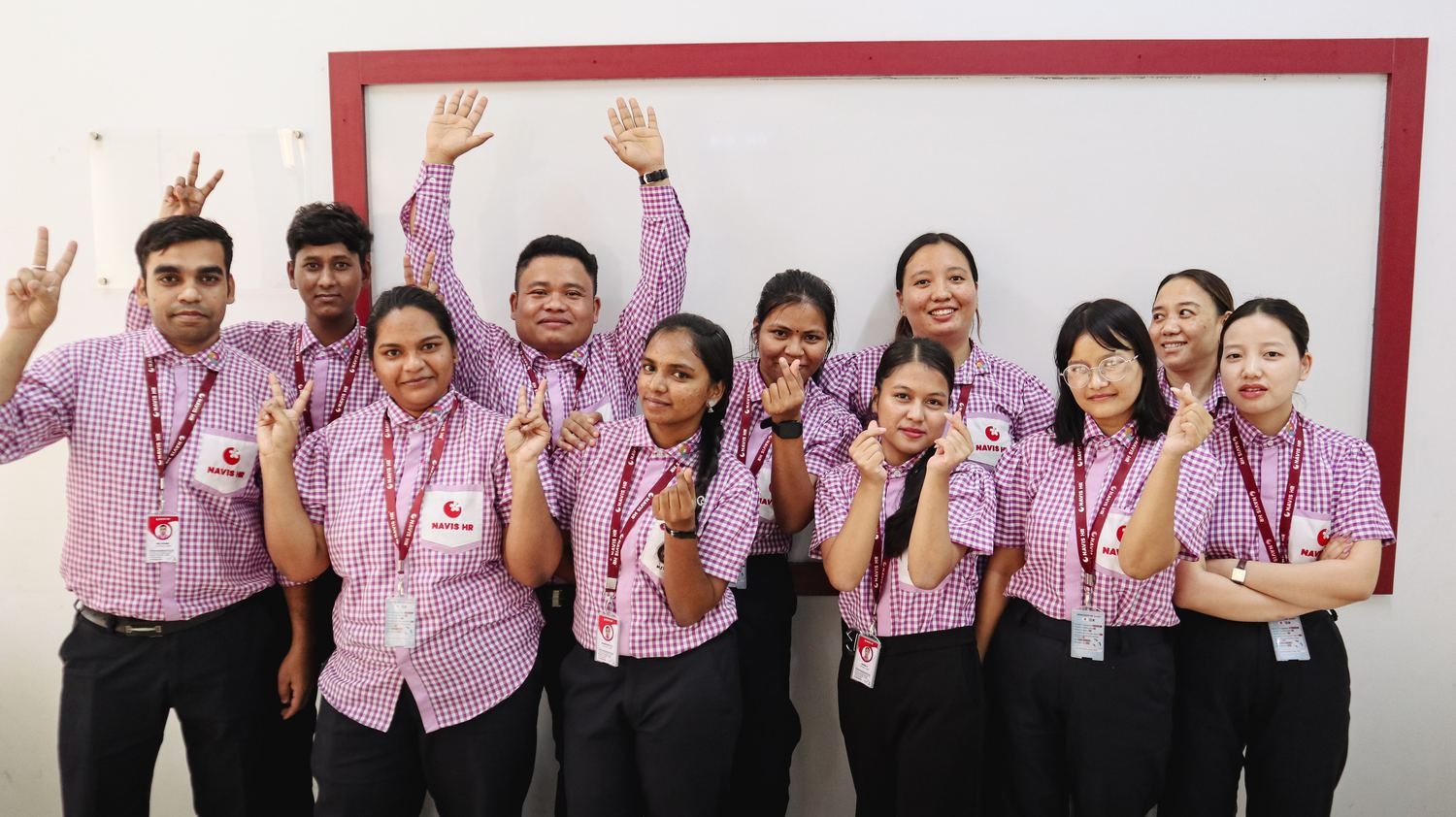
Over time, I made friends and developed a social circle in Japan. Having people around me who understood what I was going through helped reduce the homesickness that comes with living so far from home. Friendship, in many ways, became one of the quiet supports that kept me steady.
What Other Challenges Did I Face?
Alongside the language barrier, I faced real challenges during my studies and while settling into life in Japan. Homework and study pressure were significant, especially while I was still adjusting to a new environment and a new way of learning. It was a lot to manage at once — new language, new culture, and academic demands, all together.
Despite these challenges, I tried to maintain a positive mindset. I believe every challenge can be an opportunity to learn and improve, and holding on to that belief helped me keep moving forward instead of getting stuck.
What Helped Me Keep Going?
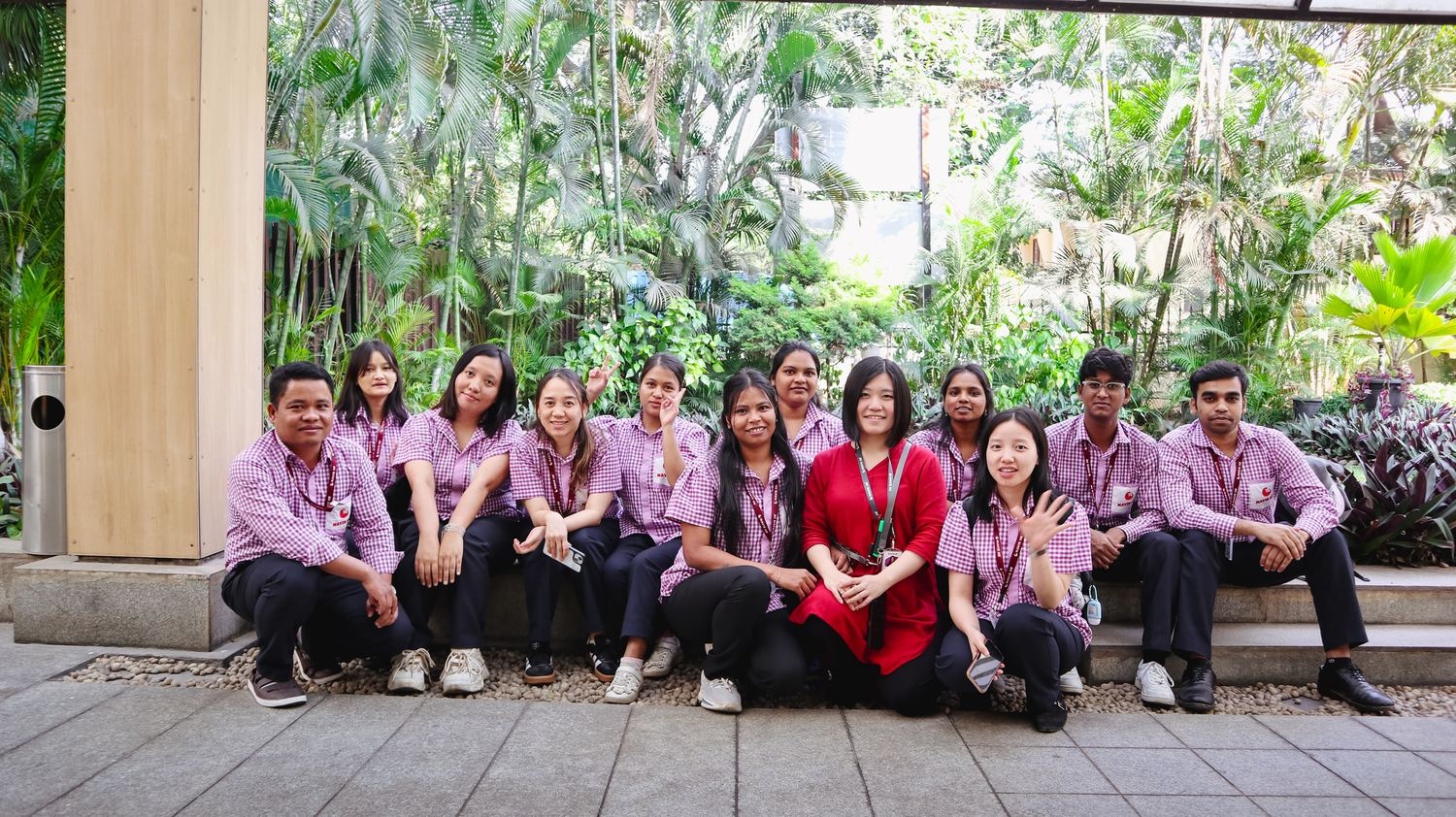
My family and friends back home provided important support throughout this journey. Even from a distance, knowing they were there made a difference. Combined with the friends I made in Japan and my own effort to stay positive, I was able to push through the difficult stretches. I completed my training, and I successfully passed my exams — milestones that, looking back, represent a lot of quiet persistence.
What This Journey Taught Me
If I had to summarise what this journey taught me, it would come down to a few things:
Patience
especially while learning a new language
Learning from mistakes
instead of fearing them
Perseverance
continuing on even when things felt difficult
A positive attitude
choosing to see challenges as opportunities
Continuous learning
never assuming you already know enough
Open-mindedness
being willing to embrace new experiences
Building a Career in Japan
I am still early in this career, still learning and growing in this role. Where this leads next is still unfolding.
What Advice Would I Give to Other Indian Nurses?
If there is one thing I would tell other Indian nurses considering this path, it is this: take the first step. You will not have everything figured out before you begin, and that is okay. Learn from your failures instead of being discouraged by them. Keep learning continuously, and stay open-minded — embrace the new experiences that come your way instead of resisting them.
At the same time, be careful. Not every opportunity presented to you will be genuine.
What Should Candidates Know About Fake Agents?
I want to be honest about this because it matters: there are fake agents and scams out there targeting people who want to work or train in Japan. My advice is simple — rely on trustworthy sources for information and guidance, and be cautious before trusting anyone who approaches you with promises that sound too good to be true. I am not naming any specific companies or making any legal claims here, but this is a warning I feel is important to share based on what I have seen and heard.
Upfront Visa Promises
No genuine SSW visa can be issued without clearing official Japanese language (JFT/JLPT) and Care Skills exams first.
Unregistered Agencies
Always check if the agency is a government-licensed sending organization (like NAVIS HR) registered under the Ministry of External Affairs.
Inflated Salary Claims
Be cautious of agents promising salaries way above the standard Japanese SSW caregiver rates or guaranteed placement without training.
What Would I Tell Young People From Tamil Nadu?
To young people from Tamil Nadu and other places thinking about their future, I would say: consider Japan as an option for training and work opportunities. It is not an easy path, and it comes with real challenges, but it is one worth exploring with open eyes and the right guidance.
“நம்பிக்கையோடு முதல் அடியை எடுத்து வையுங்கள், ஜப்பான் உங்களுக்கான புதிய வாசல்களைத் திறக்கும்!”
“Take the first step with confidence, Japan will open new doors for you!”My Journey From Tiruvannamalai to Japan
Tiruvannamalai, TN
Completed GNM Nursing qualification
Language Training
6-7 Months of structured classes
SSW Exams
Passed Language & Nursing Care evaluation tests
Japan Placement
Matched with verified employer & arrived in Japan
Looking back, my path has been simple to describe but not simple to live: a GNM from Tiruvannamalai, a period of researching Japan as an opportunity, the challenge of learning Japanese and adjusting to a new culture, training, exams, and finally, life and work as a nurse aide in Japan as it stands today. Along the way, there was homesickness, study pressure, and moments of doubt — but also friendship, patience, and a father back home who never stopped encouraging me.
Final Message
“Some evenings I still think about my father's voice on those long-distance calls, telling me to go before I had any real reason to believe I could. I did not feel brave when I left Tiruvannamalai. I felt unsure, and I made this decision anyway, phone in hand, still not knowing how it would turn out. That is really the whole story underneath everything else I have written here. If it helps even one person from a small town like mine believe the same is possible for them, then writing it all down honestly will have been worth it.”
Frequently Asked Questions
Yes, but as a nurse aide in care work, not as a hospital nurse. The main path is the Specified Skilled Worker system, called SSW or Tokutei Ginou, in the nursing care field. You clear a language test and a care skills test, get matched with an employer, and receive a work visa for elderly care work — a different role from practising as a registered nurse in Japan.
Yes. It is a legal requirement, and it decides your whole experience. You need JFT-Basic at around A2 level, or JLPT N4. Anyone saying a Japan care job needs no Japanese is either lying or describing a different route.
About 8 months for me, from first class to boarding. Six to seven months of training, then exams, then selection, then one month of paperwork.
Not strictly for the exams, but it helps enormously. The skills test is what qualifies you. But employers weigh experience, and experience is what makes your first month survivable. If you have handled elderly or dementia care, say so clearly.
Not on the first-stage SSW care status. It becomes possible later. The path runs through further qualification, mainly the national care worker certificate, which moves you to a different status. This is a multi-year plan, so be honest with your spouse about that.
A Japanese language test, plus a care skills test with its own language part. For me: JFT-Basic, then the Nursing Care Skills Evaluation Test and the care Japanese evaluation. Some use JLPT N4 instead. Confirm the current list for your intake, as formats change.