
Nursing Jobs in Japan for Indian Nurses: The Official SSW Pathway, Explained
What we tell every BSc, GNM, and ANM nurse who asks whether this is real
Indian BSc, GNM, and ANM nurses can build a genuine nursing career in Japan today, through an official government-to-government program, and the honest, realistic starting point is the Japan SSW program in nursing care, not a direct "registered nurse" job offer.
We hear a version of the same question from nearly every nurse who walks in: "Is this actually real, or is this another agency thing?" So let's answer it properly, question by question, with the same detail we'd walk a candidate through in person.
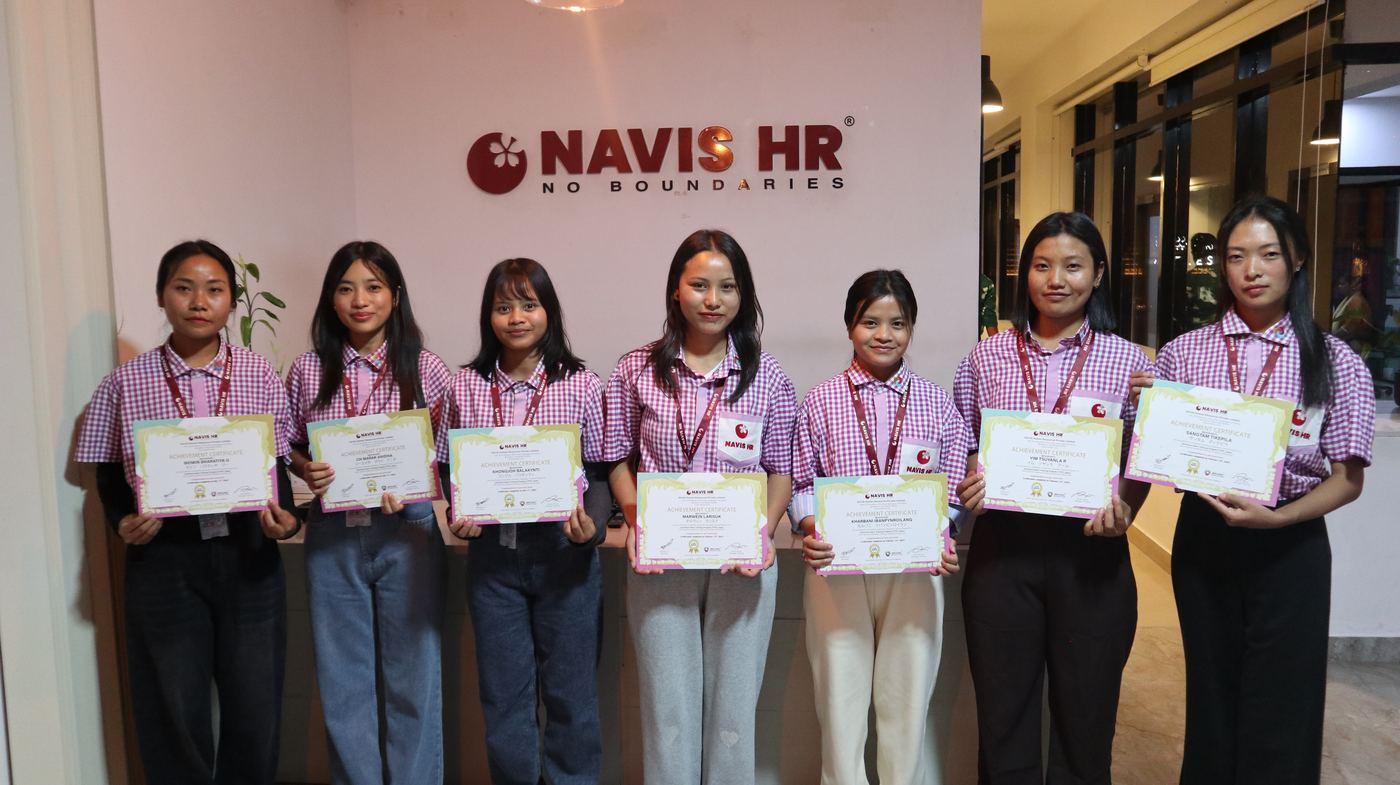
Here's the detail almost nobody puts upfront: India and Japan signed a formal Memorandum of Cooperation in January 2021, specifically for the Specified Skilled Worker program, and nursing care is one of the sectors it covers. It's coordinated on India's side by NSDC International. That single fact should change how you evaluate every recruiter, every course, and every "guaranteed placement" pitch you'll hear. Below is what our candidates at NAVIS HR have actually experienced going through it. NAVIS HR
How Do You Actually Qualify for Nursing Jobs in Japan?
You qualify for nursing jobs in Japan by holding a BSc Nursing, GNM, or ANM qualification, clearing the Nursing Care Skills Evaluation Test, meeting the Japanese language requirement, and satisfying basic age and health checks under the SSW framework. Your degree gets you eligible. The tests decide whether you get placed.
Which Qualification Puts You in the Best Position?
BSc Nursing graduates carry the strongest clinical foundation of the three, and that shows up in how facilities evaluate candidates for more complex care coordination roles.
GNM graduates make up a large share of the actual placements moving through this pipeline. GNM training lines up closely with what Japanese care facilities are testing for.
ANM graduates are just as eligible, and tend to do particularly well in elderly care and residential facility roles, which is exactly where most of today's demand sits.
Your Eligibility Checklist
- Nursing qualification: BSc Nursing, GNM, or ANM, or a recognized equivalent
- Age: roughly 20–27 for freshers under most current programs, though the general SSW floor is 18 and some employers accept candidates into their late 30s
- Medical fitness certificate
- Clean police clearance certificate
- Comfortable with basic English and computer use
- Willing to commit to around 6–7 months of full-time Japanese language training, see our Japanese Language Course for how this is structured
- Able to clear the Nursing Care Skills Evaluation Test and the Nursing Care Japanese Language Evaluation Test
What Is the Japan SSW Program, and Why Should You Care About It Specifically?
The Japan SSW Program is a government-backed work visa framework, and India holds an official bilateral Memorandum of Cooperation with Japan for it, signed in January 2021, with nursing care named as one of the covered sectors. This is what separates a real pathway from an informal agency arrangement.
On India's side, the National Skill Development Corporation International (NSDC International) coordinates things, working with approved training centers to prepare candidates before they're matched with employers. You can verify current SSW program details directly on Japan's Immigration Services Agency site, since rules and sector lists do get updated.
Here's the practical part. When you're vetting a program or agency, ask them directly whether their pipeline connects to this bilateral SSW framework. A legitimate operator answers that question immediately, without dodging it, which is exactly what we walk through in a free eligibility call if you contact us.
Nurse Jobs vs Nurse Aide Jobs in Japan — Which One Are You Actually Applying For?
A "nurse" (kangoshi) in Japan is fully licensed to administer medication and perform clinical procedures, after passing Japan's National Nursing Examination in Japanese. A "nurse aide" or care worker under Japan SSW nursing care provides daily-living support and cannot legally perform those licensed clinical tasks. For Indian nursing graduates today, the SSW nurse aide route is the realistic entry point.
Licensing
- Nurse (Kangoshi)
- National Nursing Examination, in Japanese
- Nurse Aide / Care Worker (SSW Nursing Care)
- Skills evaluation test + language test
Realistic route for Indian candidates
- Nurse (Kangoshi)
- Very limited, no bilateral fast-track
- Nurse Aide / Care Worker (SSW Nursing Care)
- SSW visa under the India-Japan MoC
Scope of work
- Nurse (Kangoshi)
- Medication, clinical procedures
- Nurse Aide / Care Worker (SSW Nursing Care)
- Bathing, mobility, feeding, hygiene, recreation support
Preparation timeline
- Nurse (Kangoshi)
- Several years, advanced fluency needed
- Nurse Aide / Care Worker (SSW Nursing Care)
- ~6–7 months language training plus test prep
Where most Indian nursing graduates land today
- Nurse (Kangoshi)
- Rare
- Nurse Aide / Care Worker (SSW Nursing Care)
- Standard entry point
It's worth being direct here: candidates sometimes arrive expecting hospital-floor clinical duties and instead start in a care facility doing hands-on support work. That's not a downgrade. It's the honest starting point, and plenty of nurses use it to build fluency and experience before pursuing full licensure later, if that's the goal.
What's the Real Japan Nurse Salary for Indian Nurses?
The Japan nurse salary for Indian nurses under SSW nursing care typically runs ¥180,000 to ¥280,000 gross per month, with realistic take-home pay closer to ¥140,000 to ¥190,000 after tax and social insurance deductions. Government program data also points to a monthly savings potential of roughly INR 50,000 to 60,000 once living costs are accounted for.
Illustrative scale only — actual figures vary by employer, shift pattern, and housing subsidy.
Salary Breakdown
Base pay
- Typical Monthly Value
- Roughly JPY 1,041/hour, 8 hrs/day, 5 days/week
Night shift allowance
- Typical Monthly Value
- ¥5,000–¥15,000 per shift
Overtime premium
- Typical Monthly Value
- 25–35% above hourly base
Gross monthly salary
- Typical Monthly Value
- ¥180,000–¥280,000
Income + residence tax
- Typical Monthly Value
- ¥10,000–¥20,000
Social insurance + pension
- Typical Monthly Value
- ~¥30,000
Estimated take-home pay
- Typical Monthly Value
- ¥140,000–¥190,000
Food expenses
- Typical Monthly Value
- INR 20,000–30,000/month equivalent
Estimated monthly savings potential
- Typical Monthly Value
- INR 50,000–60,000
Candidates are always advised not to compare offers by gross salary alone. Two facilities offering the same headline number can leave you with very different take-home pay depending on housing subsidy and how overtime is structured. Ask for the actual net figure before you sign anything.
What Could You Actually Earn? Try the Salary Calculator
The fastest way to make the salary numbers real is to run your own scenario. Adjust the sliders below for your expected base pay, night shifts, and overtime, and see your estimated gross pay, take-home pay, and monthly savings update instantly.
Estimated Gross Salary
¥276,532
≈ ₹1,54,858
Estimated Take-Home Pay
¥221,225
≈ ₹1,23,886
Estimated Monthly Savings
¥176,225
≈ ₹98,686
This is a planning estimate built from typical SSW nursing care pay structures, not a quote for a specific job offer. Actual pay depends on your employer, prefecture, and contract terms. INR conversion is approximate and will move with exchange rates.
Do You Need Japanese Language for Nursing Jobs in Japan?
Yes, Japanese language proficiency is mandatory. SSW nursing care applicants need at minimum JLPT N4 or JFT-Basic A2, plus a dedicated Nursing Care Japanese Language Evaluation Test. Most structured Indian training programs, including our own Japanese Language Course, build toward this over about 6 to 7 months of full-time study.
Japanese Language for Nurses, by Level
JLPT N5
- What It Covers
- Absolute basics
- Relevance to SSW Nursing Care
- A starting point, not sufficient alone
JLPT N4
- What It Covers
- Everyday conversation, simple instructions
- Relevance to SSW Nursing Care
- Formal minimum requirement
JFT-Basic A2
- What It Covers
- Everyday conversational ability, alternate format
- Relevance to SSW Nursing Care
- Accepted alternative to N4
JLPT N3
- What It Covers
- More complex daily conversation
- Relevance to SSW Nursing Care
- Preferred by many employers for smoother communication
You can check current JLPT test dates directly on the Japan Foundation's official JLPT site. Beyond the general level, nursing care applicants also sit a sector-specific Japanese evaluation focused on care-related vocabulary and workplace instructions. General conversational Japanese alone won't carry you through it.
What Japan Visa Do Nurses Need, and When Does It Actually Come Into Play?
Nurses and care workers from India need the SSW visa, formally called the "Tokutei Ginou" status of residence, to work legally in Japan's nursing care sector. It requires passing the required skills and language tests, securing a job offer from a registered employer, and having that employer file for a Certificate of Eligibility on your behalf before the visa itself can be issued.
The visa is the last step, not the first. Once the Certificate of Eligibility is approved by Japan's Immigration Services Agency, you apply for the visa stamp through VFS Global or the Japanese Embassy in New Delhi.
How Do You Apply for Nursing Jobs in Japan? (Step-by-Step)
Here's exactly how the process works, from your first enquiry to your departure date.
Step 1: Confirm Your Eligibility
Check your nursing qualification, age, and basic health status against SSW nursing care requirements before committing time or money.
Step 2: Start Structured Japanese Language Training
Join a full-time program aligned to JLPT N4/N3 and the Nursing Care Japanese Language Evaluation Test. This typically runs around 6 to 7 months.
Step 3: Sit the Nursing Care Skills Evaluation Test
Register through the official channels coordinated by NSDC International or your training institution, and prepare specifically for the sector's practical skills content.
Step 4: Clear Both Required Exams
You need both the language certification and the skills evaluation test cleared before you become eligible for employer matching.
Step 5: Go Through Employer Matching and Interviews
Interviews with Japanese employers are usually conducted online. Ask direct questions about housing support, shift patterns, and actual take-home pay at this stage.
Step 6: Sign Your Employment Contract
Review the contract carefully. Salary structure, deductions, housing, and contract length should all be spelled out clearly before you sign.
Step 7: Your Employer Files the Certificate of Eligibility
Your Japanese employer submits this application to Japan's Immigration Services Agency on your behalf.
Step 8: Apply for Your SSW Visa
Once the Certificate of Eligibility is approved, submit your passport and documents at VFS Global or the Japanese Embassy in New Delhi for visa stamping.
Step 9: Complete Pre-Departure Orientation
Take this seriously. Cultural orientation genuinely reduces the friction most new arrivals feel in their first few months.
Step 10: Depart for Japan
Your employer typically assists with arrival logistics and initial settlement once you land.
How Long Does the Whole Journey Really Take?
The realistic timeline from first enquiry to departure is typically 8 to 13 months, driven mainly by the roughly 6 to 7 month full-time Japanese language training period, plus test scheduling and visa processing.
Application Timeline
Eligibility check and registration
- Typical Duration
- 1–2 weeks
Full-time Japanese language training
- Typical Duration
- 6–7 months
Skills evaluation test and language evaluation
- Typical Duration
- 4–6 weeks
Employer interviews and matching
- Typical Duration
- 3–6 weeks
Contract signing
- Typical Duration
- 1–2 weeks
Certificate of Eligibility processing
- Typical Duration
- 6–10 weeks
Visa stamping
- Typical Duration
- 2–4 weeks
Pre-departure orientation
- Typical Duration
- 1–2 weeks
Total
- Typical Duration
- 8–13 months
What Will Life in Japan Actually Cost You?
Cost of living for a nurse or care worker in Japan typically runs ¥60,000 to ¥100,000 per month outside major cities like Tokyo and Osaka, covering rent, food, transport, and utilities. Many SSW nursing care employers subsidize or fully cover accommodation, which meaningfully increases real savings.
Monthly Budget Estimate
Rent (if not subsidized)
- Typical Range
- ¥30,000–¥50,000
Food
- Typical Range
- ¥20,000–¥30,000
Transport
- Typical Range
- ¥5,000–¥10,000
Utilities and phone
- Typical Range
- ¥8,000–¥12,000
Against take-home pay of ¥140,000 to ¥190,000 and subsidized housing, government program estimates suggest candidates can realistically save around INR 50,000 to 60,000 monthly, a genuinely strong outcome compared to many other overseas nursing destinations.
Where Can a Nursing Career in Japan Actually Take You Long-Term?
A nursing career in Japan under SSW follows a structured progression, from SSW Type 1, valid up to five years without family sponsorship, to SSW Type 2 in eligible fields, which allows unlimited renewals, family sponsorship, and a realistic path toward permanent residency.
Some nurses use their time on SSW Type 1 to build Japanese fluency and clinical experience, then pursue Japan's National Nursing Examination independently for full kangoshi licensure, a longer path, but one that unlocks higher pay and full clinical scope.
What Do Real Candidate Journeys Actually Look Like?
What Are the Real Challenges, and How Do You Get Through Them?
The most common challenges Indian nurses face in Japan are workplace language gaps beyond textbook Japanese, adjusting to Japan's formal workplace hierarchy, and homesickness in the first few months. All three are manageable with the right preparation and support.
Language gaps on the job
Real workplace Japanese moves faster than exam Japanese. Keep practicing after arrival, and ask your employer directly whether they offer ongoing language support.
Workplace culture and hierarchy
Japanese workplaces value particular forms of formality and punctuality. Take pre-departure cultural orientation seriously rather than treating it as a checkbox.
Homesickness
Being far from family is genuinely hard in the early months. Build a support network with other Indian workers nearby and keep regular video calls with home.
What Mistakes Quietly Wreck Applications for Abroad Nursing Jobs?
The costliest mistakes Indian nursing candidates make are treating Japanese language prep as optional, working with unverified agencies, comparing job offers by gross salary alone, and assuming any nursing degree guarantees a "Registered Nurse" role in Japan.
Verify that any agency you're considering is connected to the official India-Japan SSW framework through NSDC International, ask for the actual net salary figure before accepting an offer, and don't rush a process that's structurally built around a nine-month language training period. If you're weighing Japan against other overseas options generally, browse our full range of services for the broader picture beyond nursing specifically.
How Do You Pick the Right Partner for Foreign Nursing Jobs in Japan?
Choose a recruitment partner for foreign nursing jobs in Japan that is transparent about the SSW framework, connected to verified Japanese employers, provides structured Japanese language training aligned to the actual test requirements, and gives you honest timelines rather than promises of shortcuts.
At NAVIS HR, we work specifically with Indian nursing, caregiver, driver, and engineering candidates pursuing careers in Japan, and the process is built around exactly the gaps described in this blog: honest eligibility assessment, language training mapped to the real SSW test requirements, verified employer partnerships, and support that continues after you land in Japan, not just up to the point you sign a contract.
You can read more about how we work on our About Us page, or browse our other Nursing Jobs in Japan resources.

Key Takeaways
- Indian BSc, GNM, and ANM nurses qualify for the Japan SSW program in nursing care, backed by an official India-Japan government MoC signed in January 2021
- The realistic entry route is nurse aide / care worker under SSW, not direct Registered Nurse placement
- Gross salary: ¥180,000–¥280,000/month, realistic take-home: ¥140,000–¥190,000/month
- Japanese language, minimum JLPT N4/JFT-Basic A2, plus a nursing-specific test, is mandatory
- Full timeline from enquiry to departure: roughly 8–13 months
- SSW Type 2 opens family sponsorship and a path to permanent residency
- Use the salary calculator above to sanity-check any real job offer against typical SSW nursing care pay structures
- Verify any recruiter's connection to the official NSDC International-coordinated SSW framework before paying fees
Frequently Asked Questions
Start Your Nursing Career in Japan the Right Way
Japan's SSW nursing care program gives Indian BSc, GNM, and ANM nurses a real, government-backed route into a stable, well-paying healthcare career abroad, but only if you go in with accurate expectations and a partner who's straight with you about timelines and eligibility.
If you're ready to find out exactly where you stand, apply now through NAVIS HR for a free eligibility assessment, or get in touch with our team to talk through your specific qualification, timeline, and questions. We'd rather give you an honest answer today than a vague promise you'll have to unlearn six months in.
NAVIS HR Placement Team
Working closely with our Japanese employer partners to bring you accurate, up-to-date guidance on Japan's SSW nursing care pathway.
— Published by the NAVIS HR team
Sources referenced: Japan Immigration Services Agency (moj.go.jp/isa) · NSDC International (nsdcinternational.org) · Japan Foundation JLPT (jlpt.jp/e). Salary figures are current as of publication and subject to change with exchange rates and policy updates.